Train Smart. Work Smarter.

Software development processes have always evolved in response to technological advancements, addressing shifting expectations around speed, scale, and functionality. From the rigid structure of Waterfall to the iterative approach of Agile, each evolution has introduced new ways of working.
We are on the brink of yet another pivotal moment, driven this time by generative AI. Generative AI’s ability to synthesize new artifacts (code, test cases, and documentation) within minutes is nothing short of transformative in a field that is known for its long, resource-heavy processes and creativity-stifling rote work. Its unprecedented speed and scale have led to a fundamental rethinking of how software is built and delivered.
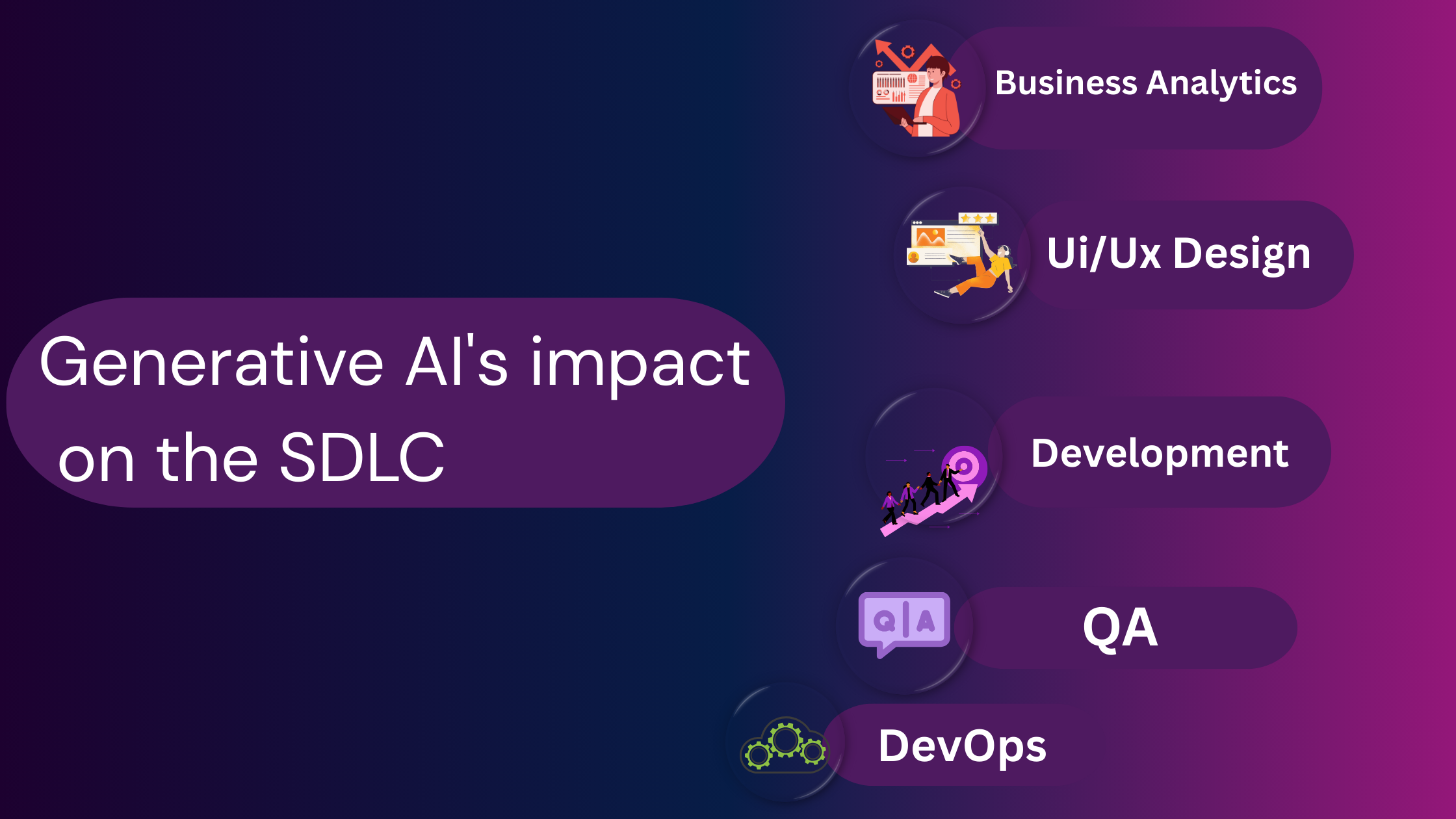
With the promise of Generative AI evident, we set out to explore its influence on the software development lifecycle (SDLC) at QBurst. We spoke with key teams, including business analysts, UI/UX designers, architects, developers, DevOps engineers, and QA professionals. This article presents a cross-section of their views.
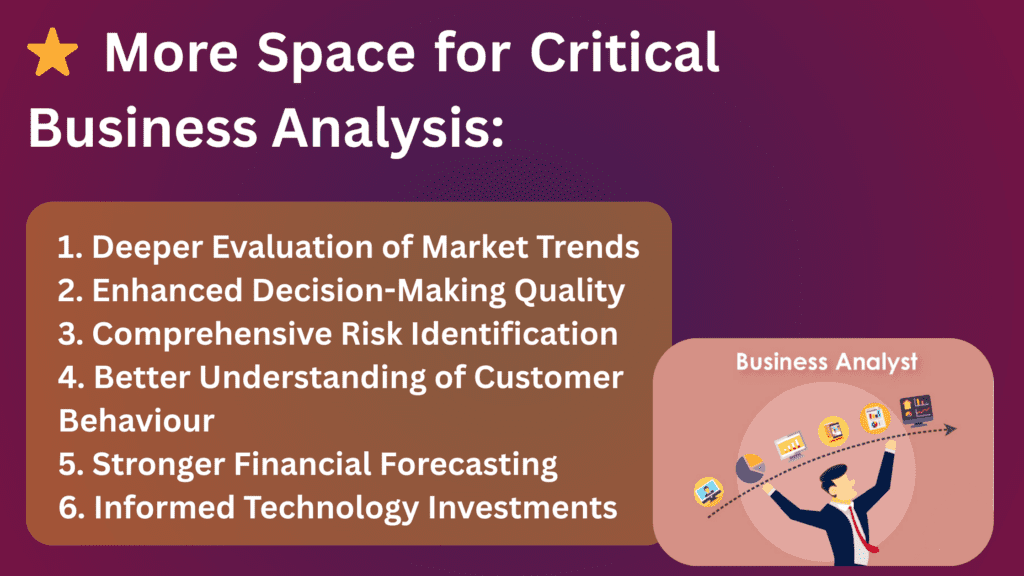
More Space for Critical Business Analysis:
Acting as a bridge between the business and the development teams, Business Analysts bring a host of skills to the table, including critical thinking, problem-solving, and communication, to ensure that the final solution meets all the requirements.
The work also involves a lot of manual effort: Extracting and validating business requirements, documenting functional specifications, preparing user stories, analyzing user feedback, etc.
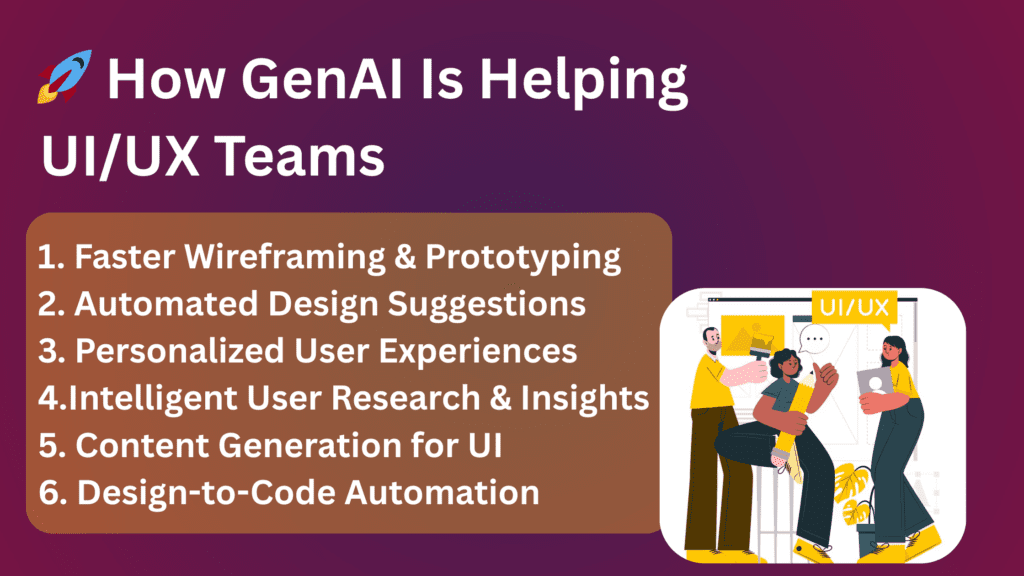
Early Buy-ins for UI/UX Designs:
GenAI also contributes to tasks like building moodboards and crafting user personas.
The team has explored a variety of AI tools, including UX Pilot, Galileo AI, Readdy AI, and ChatGPT, not just for design but also for improving prompts and structuring their approach.
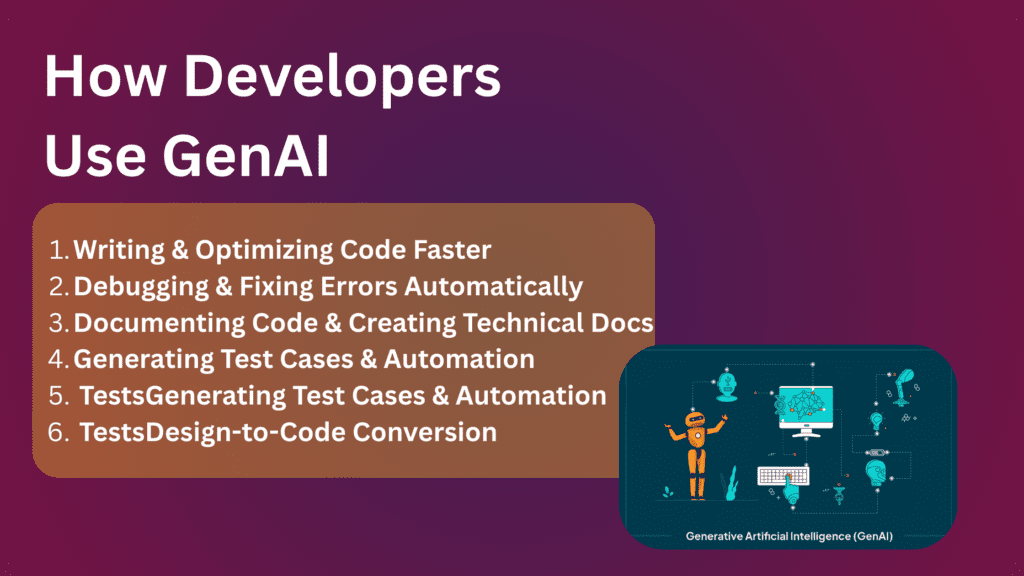
A Coding Sidekick for Developers:
Relying on GenAI to auto-generate core logic in complex systems can introduce serious risks. As business context and technical complexity increase, the value of GenAI-generated output may decline.
We still need human expertise to build, scale, and sustain high-quality application.
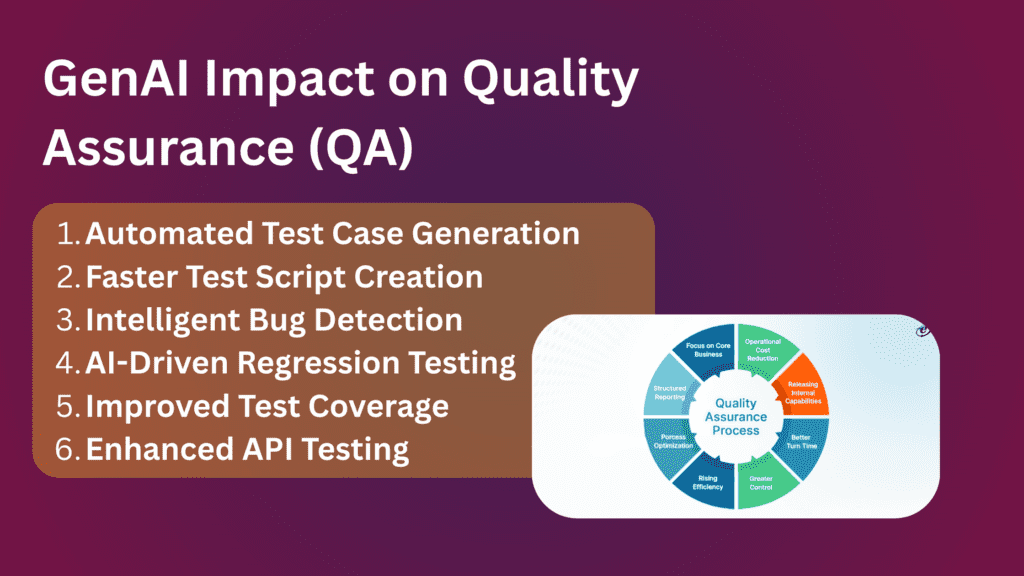
Better Test Coverage and Speed:
The team also leverages GenAI to generate diverse and realistic test datasets, ensuring comprehensive coverage of potential scenarios and significantly reducing schema validation errors. When defects arise, AI-powered log analysis helps teams quickly pinpoint failure points, reducing troubleshooting time.
The effort spent on repetitive documentation has come down. Automation of test reports and defect summary generation allows the team to focus more on analysis and quality improvements.
QA professionals we spoke to also emphasized the importance of maintaining human oversight. While GenAI offers significant productivity gains, it’s still essential for teams to critically assess AI-generated results to ensure they meet the required standards
5. Streamlining Automation in DevOps:
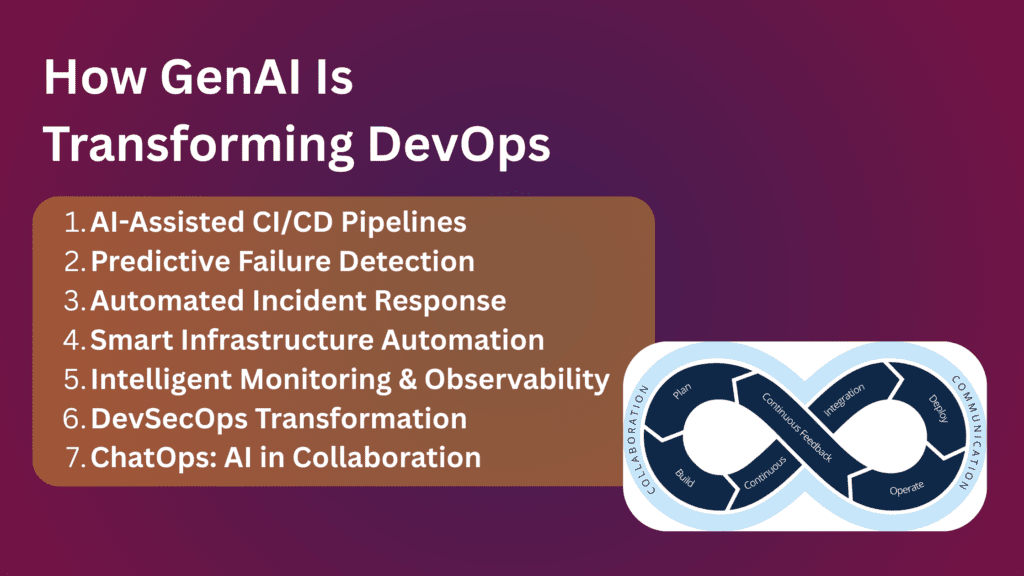
For our DevOps teams, enabling GenAI is a priority. They see significant potential in automating repetitive tasks, improving code quality through intelligent suggestions, and accelerating infrastructure provisioning.
Routine tasks often consume valuable time, but GenAI is helping to shift that balance, allowing engineers to focus on higher-value activities that drive quality. One example is the automation of documentation and README file generation, which was once a time-consuming process.
The Road Ahead:
A grounded optimism about GenAI is emerging among all practitioners, moving beyond the initial hype.
There is a nuanced understanding of what this technology can truly offer.
From what we heard from our teams, it is clear that GenAI will drive significant improvements in quality and productivity by automating repetitive tasks, providing actionable suggestions, and allowing them to focus on solving core business problems.
However, success in leveraging GenAI will always be tied to the professional’s foundational knowledge.
As useful as AI can be, blindly relying on it can introduce new issues in the SDLC.
The only way to mitigate such risks is by continuously sharpening core skills and understanding when and where AI is most effective.
GenAI is here to stay and will undeniably reshape the software development landscape.
As adoption increases, the software development process will continue to evolve.
